Central Asian Immigration
Blessing Bafunso, Kimberly Mercato and Marcos Lezcano
Push & Pull Factors
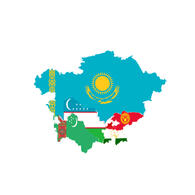
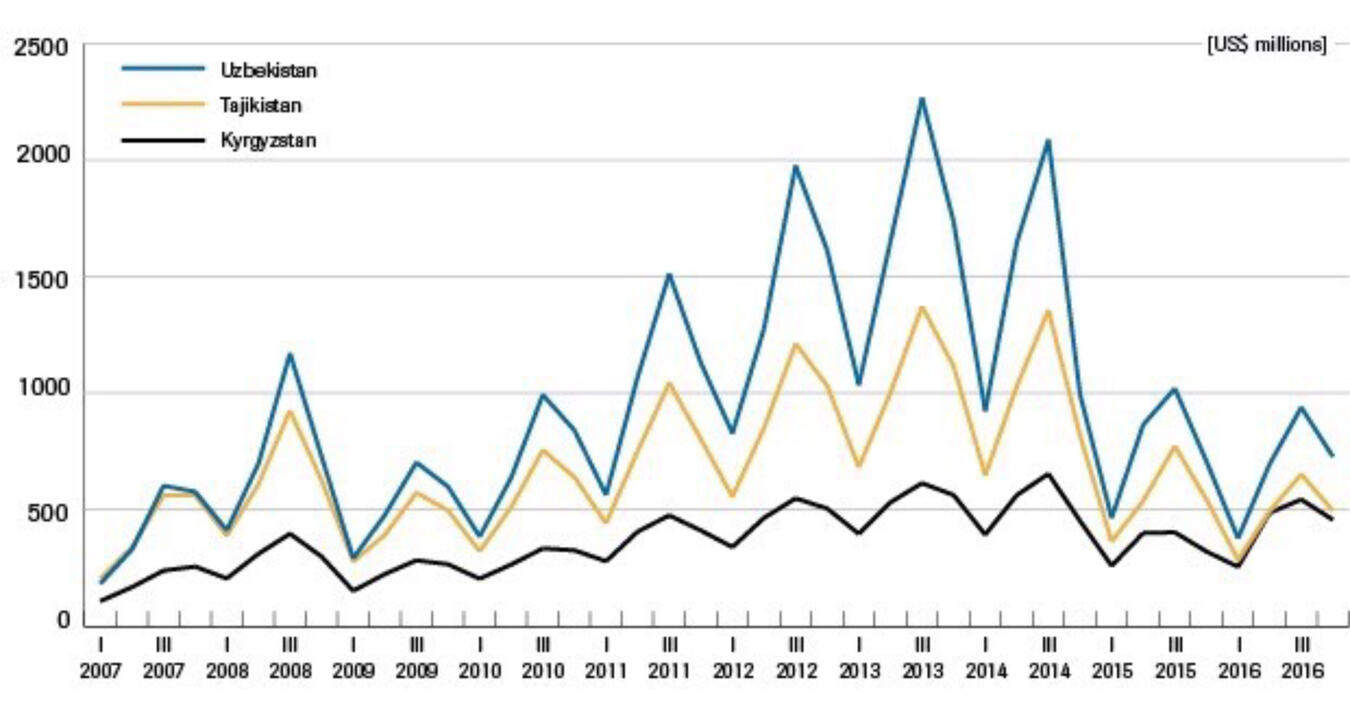
When analyzing the region of Central Asia, various different factors have contributed to its pattern of migration. Commencing with a basic understanding, Central Asia consists of Kazakhstan, Uzbekistan, Kyrgyzstan, Tajikistan, Turkmenistan, and Afghanistan. Highlands, mountains, as well as vast deserts make up a majority of the region’s physical geography such as the Kara Kim desert in Turkmenistan and Kyzyl Kum desert covering Uzbekistan. When looking back into world history, Central Asia served as crossroads for trade and movement (the Silk Road). More recently, great movements of people continue to be observed as new motives have arisen. Within the region, both unstable political and economic situations are present, meaning not many people agree on the best form of government. In addition to these push factors, the unemployment in Central Asia was increasing as well. These push factors are accompanied with a pull factor in Russia, the country that a vast amount of central asia’s inhabitants migrated to, more specifically a shortage of labor due to a decrease in their population. As a result, a great number of people from Kyrgyzstan, Tajikistan, and Uzbekistan migrated between 1990-1992 post the collapse of the USSR. A steady (one of the most stable migration flows) pattern of migration still occurs present day. The chart below demonstrates the number of immigrants for more recent years, commencing in the year 2007
Insight: Afghanistan
Focusing on the country of Afghanistan, the nation contains its own factors that contribute to their immigration numbers. The main and major push factor appeared within their borders in 1994. The Taliban is a Sunni Islamic radical militia organization that negatively impacted the lives of Afghanistan’s population in a significant manner.
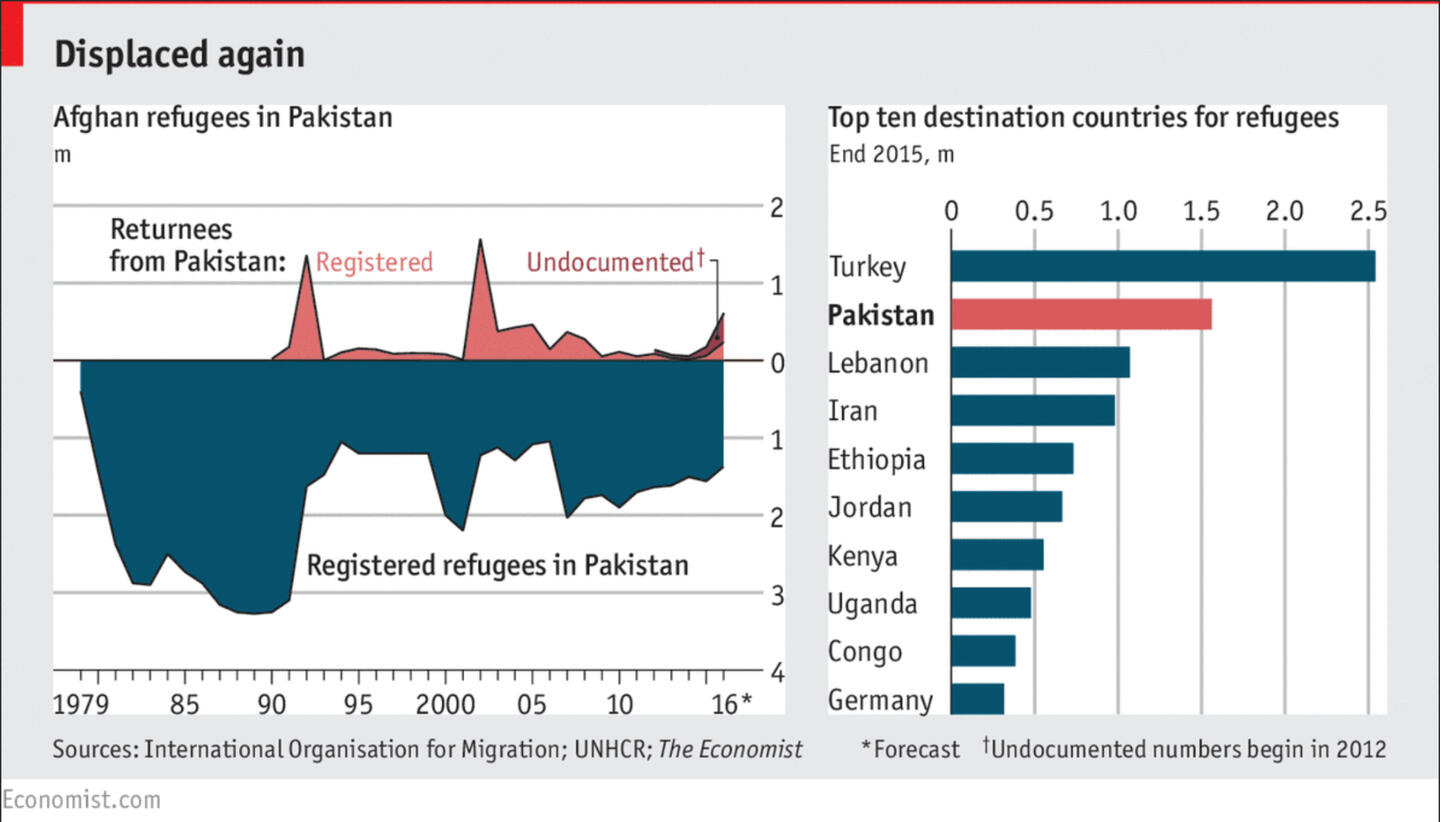
Some of their effects include creating strict Islamic laws, limiting women's roles andbanning music and dancing. The support of terrorism led to war which began in the year 2001 with the US invasion serving as the first phase. As a consequence of this refugees migrated to surrounding countries which can be observed in the chart below
Success Story: Jovid Fuldzhonov
Immigrants were and continue to be attracted to the abundance of opportunities a neighboring country holds and are able to record/recount their experiences. One immigrant that met success is Jovid Fuldzhonov. Coming from Tajikistan he immigrated to Russia with hope to obtain a stable career. Long story short, in approximately two years time, he was given a major position in a Russian Bank responsible for promoting products in Uzbekistan and other central asian countries. This was an amazing achievement due to the fact that many employers have opposed hiring immigrants from Central Asia as they underestimate their skill set and hold prejudice to their success. Many difficulties and obstacles are faced by immigrants as they adapt to a new lifestyle and strive for a chance. To get a better sense of such living conditions regarding those labor immigrants from Central Asia (more specifically Kyrgyzstani migrant families), the following link will bring is of a photo gallery that visually captures their way of life—
Video: Haroon Sayedi
© Modern Social Issues